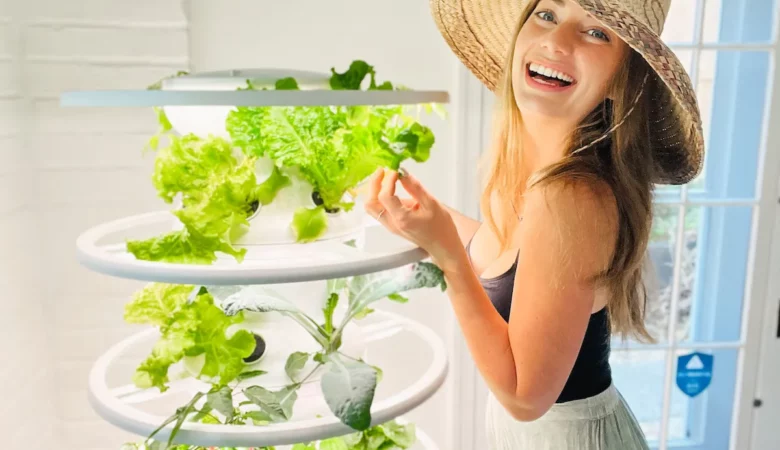


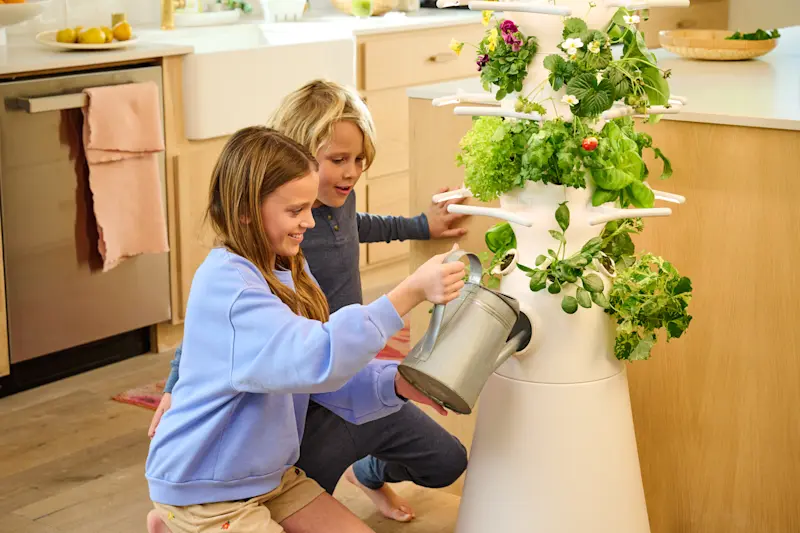
Welcome to the future of home gardening, where soil is optional and freshness is always within reach! If you’ve ever dreamed of nurturing vibrant greens right in your kitchen or on your balcony, then you’re in for a treat. In this blog post, we dive into the innovative world of hydroponics with Lettuce Grow—a game-changing approach that’s making sustainable gardening accessible to everyone. Say goodbye to wilted supermarket produce and hello to crisp, home-grown lettuce that you can harvest just minutes before dinner. Whether you’re a seasoned gardener or just starting out, join us as we explore how Lettuce Grow is revolutionizing urban agriculture and empowering you to cultivate your own delicious ecosystem—no green thumb required!
Benefits of Growing with Hydroponics
Growing with hydroponics presents a myriad of benefits that appeal to both novice and experienced gardeners. First, it maximizes space efficiency. You can cultivate plants in smaller areas, making it perfect for urban settings where outdoor gardening isn’t feasible. Another significant advantage is the reduction of water usage. Hydroponic systems use up to 90% less water than traditional soil-based methods. This conservation makes a real difference in regions facing drought or water scarcity. Additionally, plants grown hydroponically often experience faster growth rates. Without the competition from soil-borne pests and diseases, they thrive under optimal conditions. Hydroponics also eliminates the need for harmful pesticides since pests are easier to manage in controlled environments. As a result, you enjoy cleaner produce that’s better for your health and the planet. The ability to grow year-round adds another layer of convenience, allowing you fresh greens regardless of season or weather conditions.
Tips for Successful Gardening with Hydroponics
Successful hydroponic gardening hinges on a few key factors. First, managing nutrients is essential. Using the right nutrient solution helps plants thrive. Regularly check pH levels to ensure optimal absorption. Light plays a critical role too. Invest in quality grow lights that mimic natural sunlight. Adjust their intensity and duration based on plant needs for best results. Temperature control cannot be overlooked either. Most plants prefer temperatures between 65°F and 75°F during the day, with cooler nights promoting growth. Lastly, keep an eye out for pests and diseases. A proactive approach is vital; use organic pest control methods whenever possible to safeguard your crops without harmful chemicals. By focusing on these aspects, you’ll maximize your hydroponic garden’s potential while enjoying fresh produce year-round.
Nutrient Management
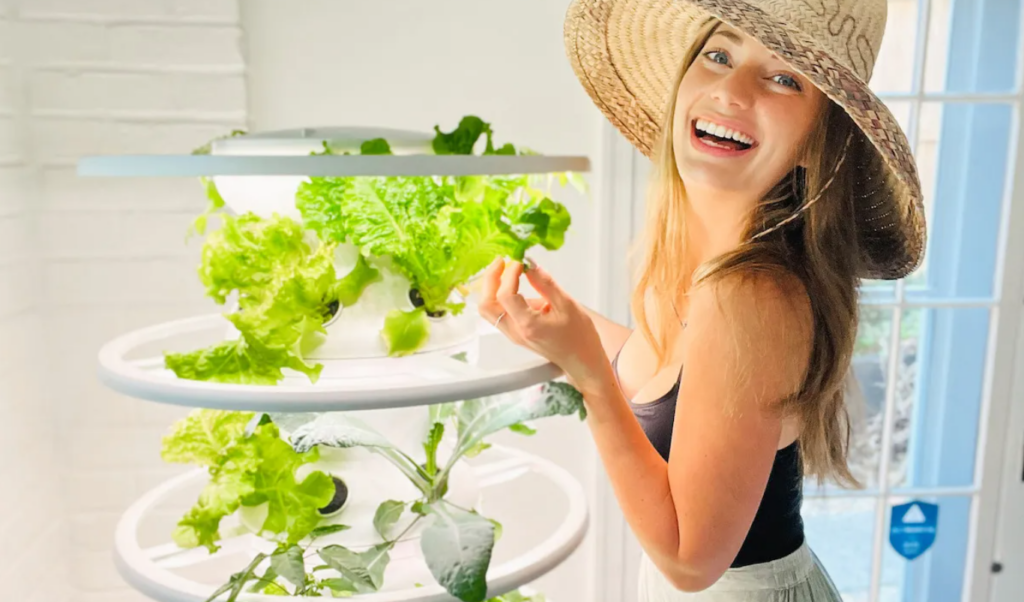
Nutrient management is vital for a thriving hydroponic garden. Unlike traditional soil gardening, where nutrients come from the earth, hydroponics relies on carefully balanced nutrient solutions. Start by choosing a high-quality nutrient mix tailored for your specific plants. This ensures they receive essential macronutrients and micronutrients in the right proportions. Regularly monitor pH levels too. Most plants thrive in a slightly acidic environment, typically between 5.5 to 6.5 pH. Small adjustments can dramatically impact growth rates. Consider using an EC meter to track electrical conductivity, which indicates nutrient concentration in your solution. Maintaining optimal levels fosters healthy root development and vibrant foliage. Lastly, remember that different growth stages require varying nutrient needs—seedlings have different requirements than mature plants. Adjusting your feeding schedule throughout their life cycle will lead to abundant harvests with rich flavors.
Proper Lighting and Temperature Control
Proper lighting is essential for the health of your plants in a hydroponic system. Without adequate light, growth can slow down significantly, leading to weak and spindly plants. Consider using LED grow lights, as they are energy-efficient and emit the right spectrum for photosynthesis. Temperature control plays an equally important role. Most leafy greens thrive between 65°F and 75°F. If temperatures rise too high or dip too low, plant development can be hindered. Monitor both ambient temperature and humidity levels regularly. A simple thermometer or hygrometer will do wonders in maintaining optimal conditions. Positioning your lights correctly also matters. Keep them about six inches above the plants but adjust based on their growth stage. This ensures that all parts of your garden receive equal light without causing burns. Balancing these elements creates a thriving environment where your homegrown produce can truly flourish.
Pest and Disease Control
Pest and disease control in hydroponics requires vigilance and proactive measures. Since plants are grown in a soilless environment, they can be less susceptible to soil-borne pests. However, careful observation is still essential. Regularly inspect your plants for any signs of trouble. Look for discolored leaves or unusual spots, as these may indicate issues like fungal infections or pest infestations. Introducing beneficial insects can help manage unwanted pests naturally. Ladybugs and lacewings are great allies that feast on aphids and other harmful critters. Maintaining proper humidity levels will also reduce the chance of mold and mildew development. A consistent airflow around your plants helps keep them dry yet healthy. Using organic pesticides when necessary is an option too. Choose products specifically designed for hydroponic systems to ensure safety for both your plants and yourself.
Creative Uses for Homegrown Produce from Lettuce Grow System
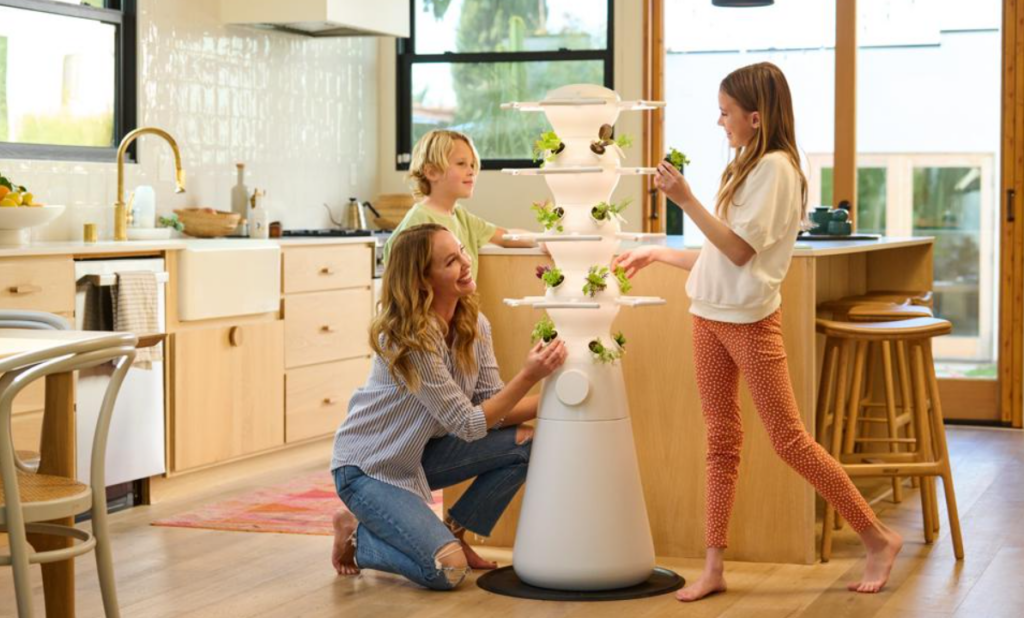
Homegrown produce from your Lettuce Grow system opens up a world of culinary creativity. Imagine fresh basil turning into vibrant pesto. Toss it with pasta for an instant taste upgrade. Harvest crisp lettuce leaves to craft stunning salads. Mix them with seasonal fruits, nuts, and homemade dressings for a gourmet touch. You can even experiment with wraps—use large leaves as a low-carb alternative to tortillas. Herbs like mint or cilantro thrive in hydroponics and add zest to beverages. Infuse water or create refreshing cocktails that impress guests at any gathering. Consider drying herbs too; they can become aromatic seasonings throughout the year. The versatility doesn’t stop there! Fresh microgreens are perfect garnishes, elevating your dishes’ visual appeal while delivering nutrients in every bite. With imagination and homegrown ingredients, each meal becomes an opportunity for delicious exploration.
Sustainability and Environmental Impact of Hydroponic Gardening
Hydroponic gardening stands out as a beacon of sustainability. By utilizing water more efficiently than traditional farming, it significantly reduces waste. This method uses up to 90% less water, making it ideal for areas facing drought. Soil degradation is another pressing concern in agriculture. Hydroponics eliminates this issue entirely, allowing plants to thrive without the need for soil-based nutrients that are often lost through erosion. Moreover, hydroponics can be set up almost anywhere—urban rooftops or small backyards—minimizing transportation emissions associated with food distribution. Fresh produce becomes available right at your doorstep. Additionally, the system encourages local growing practices which support community resilience and reduce carbon footprints linked to long-distance shipping. The absence of harmful pesticides further contributes to healthier ecosystems and promotes biodiversity while safeguarding pollinator populations essential for many crops.