


Are you ready to elevate your coaching game and unlock the full potential of your players? Whether you’re a seasoned coach or just starting out, mastering the art of basketball coaching requires more than just strategy—it’s about fostering skills, building confidence, and inspiring greatness on and off the court. In “Top 10 Tips for Coaches: Enhancing Skills with Breakthrough Basketball Techniques,” we dive into innovative methods that can transform ordinary practice sessions into extraordinary learning experiences. From cutting-edge drills to psychological insights, these tips will not only enhance your own coaching skills but also empower your athletes to reach new heights. So lace up those sneakers and prepare to take notes—we’re about to revolutionize how you approach the beautiful game of basketball!
Importance of coaching skills in basketball
Coaching skills are vital in basketball. They determine how effectively a team develops and performs on the court. A well-coached team can transform raw talent into cohesive play, showcasing strategic execution. Good coaches understand that each player is unique. They tailor their approach to suit individual needs, fostering growth and confidence. This personalized attention helps players reach their full potential. Additionally, strong coaching promotes discipline and accountability. Players learn to respect the game and themselves through structured training sessions and clear expectations. Moreover, effective communication creates an environment where athletes feel valued. When players trust their coach, they’re more likely to embrace feedback and strive for improvement. Ultimately, great coaching goes beyond tactics; it shapes character too. Coaches instill important life lessons about teamwork, perseverance, and resilience—qualities that extend far beyond the basketball court.
Develop strong communication skills
Effective communication is the backbone of successful coaching. It’s not just about shouting plays from the sidelines; it’s about connecting with players on a personal level. Start by fostering an open environment where athletes feel comfortable sharing their thoughts and concerns. Listening actively helps build trust, which is essential for encouraging growth. Be clear and concise when delivering instructions. Use simple language that resonates with your team’s skill level. Avoid jargon that might confuse younger players or those new to the game. Non-verbal cues also play a vital role in communication. Your body language can reinforce your message or convey disappointment if you’re not careful. Stay aware of how you present yourself during practices and games. Lastly, adapt your communication style to suit each player’s personality and learning style. Some may respond better to direct feedback, while others thrive on positive reinforcement. Tailoring your approach makes all the difference in creating an effective coaching relationship.
Understand individual strengths and weaknesses of players
Every player brings unique skills to the court. As a coach, it’s crucial to identify these individual strengths and weaknesses. Start by observing each athlete during practices and games. Pay attention to their shooting styles, defensive capabilities, and decision-making processes. This insight will help tailor your coaching approach effectively. Engage in one-on-one conversations with players about their self-assessments. They often have valuable perspectives on where they excel or struggle. Create an environment that encourages honest feedback. Once you’ve gathered this information, design personalized training sessions. Focus on enhancing strengths while also addressing weaknesses through targeted drills. This individualized attention not only boosts performance but also fosters trust between you and your team members. Players will feel valued when they see a coach invested in their growth as individuals rather than just part of the group dynamic.
Implement effective practice drills for skill improvement
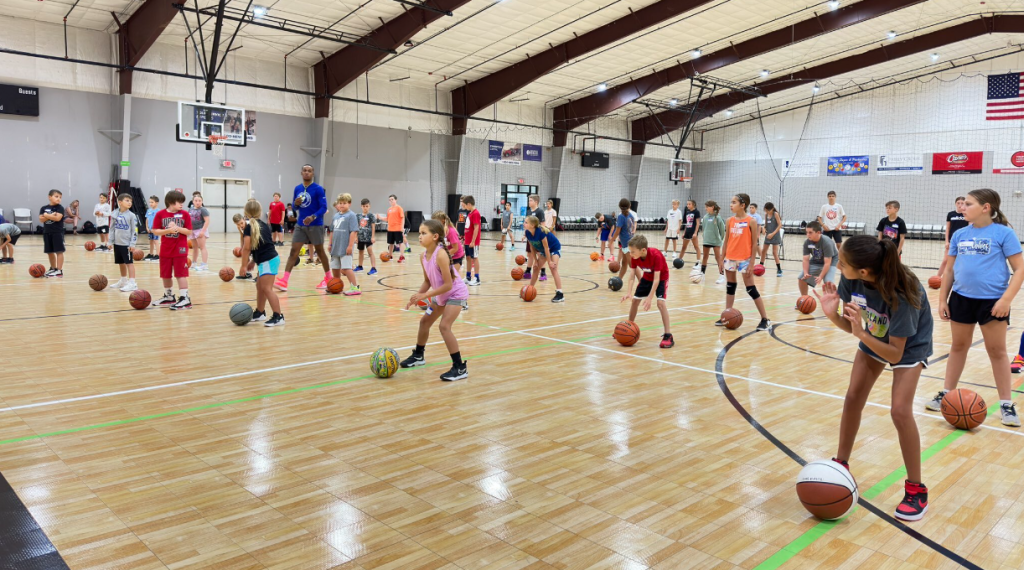
Implementing effective practice drills is crucial for skill improvement in basketball. Drills serve as the backbone of training, allowing players to hone their abilities in a structured environment. Focusing on specific skills during each session helps athletes develop confidence and consistency. Incorporate shooting drills, ball-handling exercises, and defensive techniques tailored to your team’s needs. Variety keeps practices engaging and prevents monotony. Introduce game-like scenarios within drills. This challenges players to apply their skills under pressure while enhancing decision-making abilities. Encourage competition among teammates; it fuels motivation and fosters camaraderie. Regularly assess the effectiveness of your chosen drills. Adapt them based on individual progress or struggles observed during games or scrimmages. Customize sessions for different player levels, ensuring everyone benefits from targeted practice that enhances overall performance on the court.
Utilize game film analysis for strategy development
Game film analysis is a powerful tool for any coach looking to elevate their team’s performance. By studying footage from previous games, coaches can identify patterns, strengths, and areas for improvement. Watching game film together fosters discussion among players. It allows them to see firsthand the decisions made on the court and understand the reasoning behind those choices. This collaborative approach promotes learning and accountability. Additionally, analyzing opponents’ plays helps in crafting specific strategies tailored to counteract their strengths. Understanding how they operate enables coaches to prepare targeted drills that mimic game situations. Using technology enhances this process further. Software tools can break down plays frame by frame, offering insights that may go unnoticed during live action. Encourage your team to embrace these sessions as opportunities for growth rather than critiques of past performances. Focusing on development will lead to improved execution when it matters most during games.
Encourage a positive team culture and chemistry
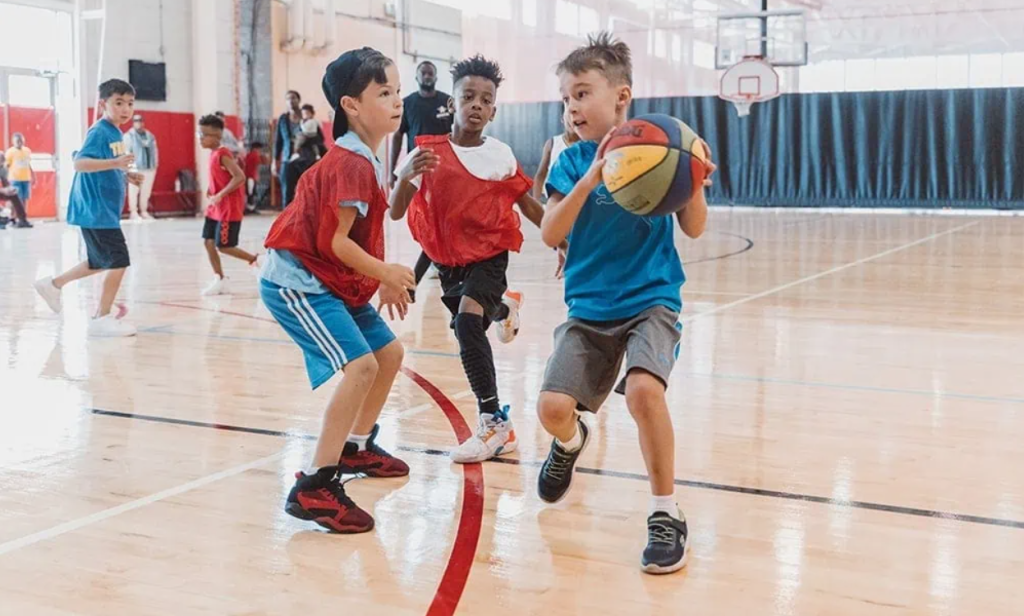
A positive team culture can transform a group of players into a cohesive unit. When athletes feel valued and supported, their performance often improves. Encouraging open communication is vital. Let players express thoughts and concerns freely. This builds trust and understanding among teammates. Celebrating small victories fosters camaraderie. Acknowledge individual contributions during practices and games. Recognizing effort creates an environment where everyone feels motivated to excel together. Team-building activities off the court also strengthen relationships. Whether it’s a simple dinner or fun outings, these moments help bond players beyond basketball skills. Lastly, promote inclusivity within the team dynamic. Every player should know they have a role in the bigger picture, which enhances overall morale and chemistry on the floor.
Emphasize the fundamentals of basketball in training sessions
Mastering the fundamentals of basketball is crucial for every player. These basic skills form the building blocks for more complex techniques and strategies. When coaches emphasize these fundamentals, they cultivate a strong foundation that players can rely on throughout their careers. Incorporate drills focused on dribbling, passing, and shooting into your training sessions. Repetition is key; it helps players gain confidence in their abilities. Simple exercises can yield significant results over time. Encourage players to perfect their footwork as well. This aspect often gets overlooked but is essential for defense and offense alike. A solid understanding of positioning can make all the difference during games. Lastly, remind athletes that mastering basics takes time and patience. Celebrating small victories in skill development fosters motivation and dedication within your team, paving the way for future success on the court.