


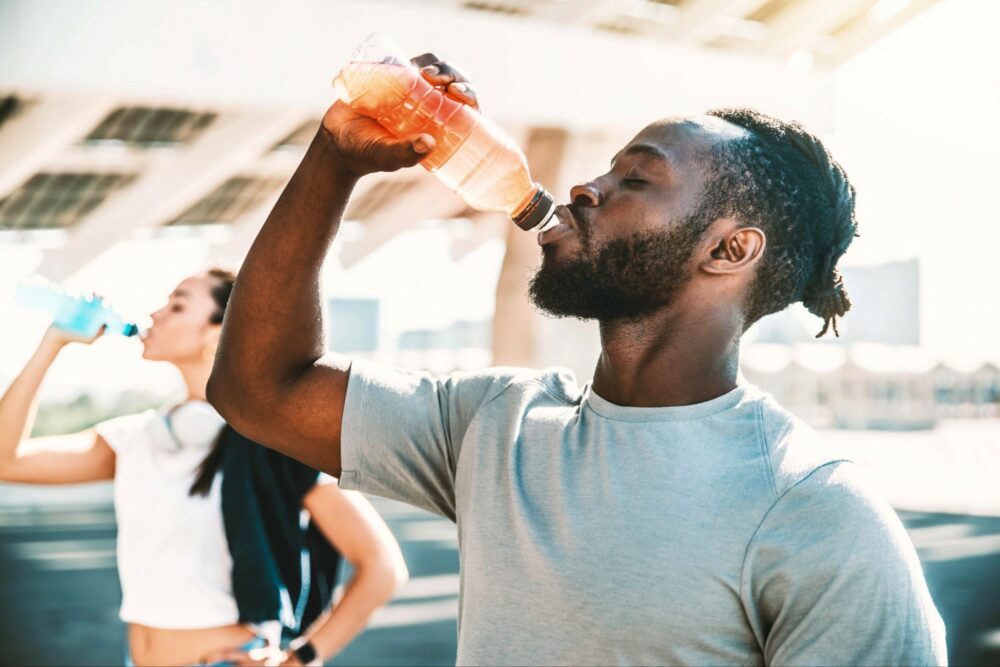

When it comes to pushing the limits of physical performance, athletes know that hydration and energy are their secret weapons. Enter Gatorade, the iconic sports drink that has become synonymous with peak performance on the field, court, or track. But have you ever wondered what really goes into this vibrant elixir? In “The Science Behind Gatorade: How It Keeps Athletes Hydrated and Energized,” we’ll dive deep into the fascinating chemistry and biology behind every bottle. From electrolytes to carbohydrates, discover how Gatorade transforms sweat-soaked struggles into victorious moments. Whether you’re a weekend warrior or an elite competitor, understanding the science of hydration could be your game-changer—so grab your favorite flavor and let’s quench that thirst for knowledge!
The Importance of Hydration for Athletes
Hydration is crucial for athletes, impacting performance and recovery. When the body loses fluids through sweat, it can lead to dehydration. Dehydration affects strength, endurance, and coordination. Even a small decrease in hydration levels can result in quicker fatigue. This makes staying hydrated essential during training sessions and competitions. Water alone isn’t always sufficient. Intense exercise leads to electrolyte loss alongside water. These minerals help regulate various bodily functions and maintain energy levels. Athletes should drink before they feel thirsty; thirst indicates your body is already in need of fluids. Regular hydration keeps muscles working efficiently and aids concentration during critical moments in any sport. Appropriate fluid intake helps reduce the risk of heat-related illnesses too. It’s not just about drinking—timing matters as well! By planning hydration strategies, athletes can enhance their overall performance on the field or court.
Understanding the Science of Electrolytes
Electrolytes are essential minerals that carry an electric charge. They play a crucial role in many bodily functions, particularly during physical activity. Key electrolytes include sodium, potassium, calcium, and magnesium. These elements help maintain fluid balance and muscle function. When we sweat, we lose these vital nutrients along with water. This loss can lead to dehydration and hinder athletic performance. That’s where Gatorade comes into play. By replenishing these electrolytes quickly during or after exercise, athletes can sustain their energy levels and prevent fatigue. The right balance of electrolytes helps regulate nerve signals and muscle contractions—keeping the body functioning optimally. Understanding how these minerals work empowers athletes to make informed hydration choices for enhanced performance on the field or court.
How Gatorade Replenishes Electrolytes Lost During Exercise
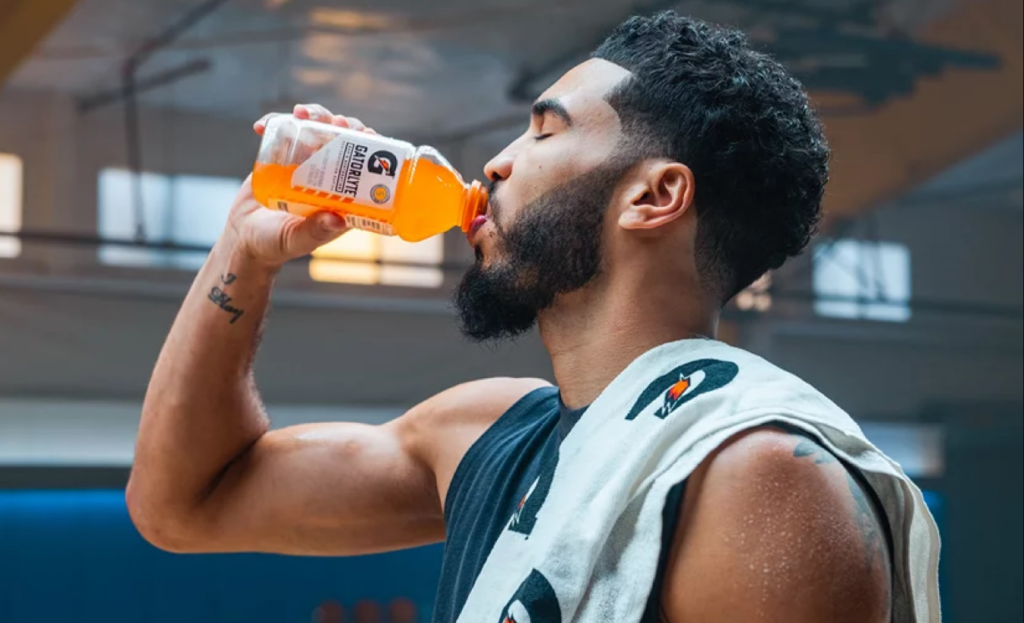
During intense exercise, athletes lose vital electrolytes through sweat. These minerals, including sodium, potassium, and chloride, play a crucial role in maintaining hydration and muscle function. Gatorade is specifically formulated to address this loss. Each sip delivers a balanced mix of these key electrolytes that help restore the body’s levels after vigorous activity. The sodium in Gatorade helps retain fluid by promoting better absorption in your cells. This can be particularly beneficial during long training sessions or competitive events when dehydration becomes a concern. Potassium supports muscle contractions and prevents cramping, which can derail performance at critical moments. By replenishing these essential elements quickly, Gatorade enables athletes to maintain peak performance without missing a beat on the field or court. In essence, it’s not just about quenching thirst; it’s about recharging the body’s systems for optimal output.
The Role of Carbohydrates in Fueling Athletes
Carbohydrates are a crucial energy source for athletes. They provide the fuel needed for high-intensity workouts and competition. When consumed, carbohydrates break down into glucose, which is then stored as glycogen in muscles. During prolonged physical activity, these glycogen stores serve as an essential energy reserve. Without adequate carbs, performance can suffer significantly. Fatigue sets in faster when the body lacks this vital fuel. Gatorade contains carbohydrates that help replenish these stores during and after exercise. This rapid replenishment allows athletes to maintain their intensity and endurance throughout training sessions or games. Additionally, the right balance of carbohydrates aids recovery by restoring muscle function more effectively post-exercise. For athletes pushing their limits, ensuring enough carbohydrate intake is non-negotiable for optimal performance on any playing field.
Other Nutrients in Gatorade and Their Benefits
Gatorade isn’t just a drink for hydration; it’s packed with additional nutrients that help athletes perform at their best. Vitamins like B6 and B12 play crucial roles in energy metabolism. They support the body in converting food into fuel, which is essential during intense workouts. The drink also contains sodium and potassium, both vital for muscle function. These electrolytes assist in preventing cramps by promoting better nerve transmission. Moreover, Gatorade includes calcium and magnesium—minerals necessary for strong bones and efficient muscle contraction. For athletes needing a quick boost after rigorous exercise, the blend of these nutrients can significantly aid recovery while maintaining optimal performance levels throughout training sessions or competitions. The combination ensures that athletes not only replenish what they’ve lost but also enhance their overall endurance and strength capabilities on the field or court.
Is Gatorade Effective for Everyone?
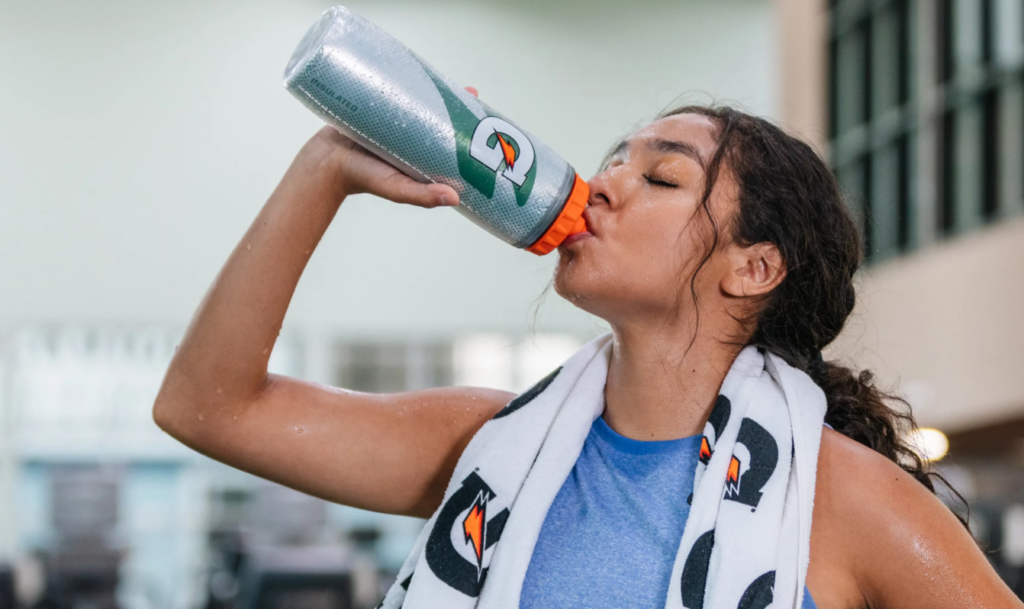
Gatorade is designed with athletes in mind, but its effectiveness can vary greatly among individuals. For professional athletes pushing their limits, Gatorade often proves invaluable. It helps replenish lost electrolytes and provides a quick energy boost. However, recreational exercisers or casual gym-goers may not need such an intensive formula. Water might suffice for light workouts or short runs. Also, those who are less active and lead sedentary lifestyles likely don’t require the added sugars found in sports drinks like Gatorade. The additional calories can contribute to unwanted weight gain if consumed unnecessarily. Moreover, people with certain medical conditions—such as diabetes—should be cautious about consuming high-sugar beverages without proper guidance. Ultimately, understanding personal needs and activity levels is essential when considering whether Gatorade fits into your routine.
The Bottom Line on Gatorade’s Role in Sports Performance
Gatorade has carved out a significant niche in the world of sports and athletic performance. Its formulation addresses both hydration needs and energy demands, making it a go-to choice for many athletes. The balance of electrolytes helps replenish what is lost during strenuous activity, while carbohydrates provide an essential boost to sustain energy levels. For those engaging in intense physical activities or prolonged endurance events, Gatorade can be an effective ally. However, it’s important to recognize that individual responses may vary. While some may thrive on this drink, others might prefer alternatives better suited to their specific dietary needs or taste preferences. Understanding when and how to use Gatorade effectively can enhance athletic performance without compromising health goals. Hydration strategies should always consider personal factors like exercise intensity and duration, as well as overall nutrition plans.